Hydrofoil surfboards have surged in popularity over the past few years, drawing in water sports enthusiasts looking for a new and thrilling way to ride the waves. Unlike traditional surfboards, hydrofoil boards allow riders to seemingly “float” above the water, giving a sensation often described as flying.
Article Sponsored By: Parking Lot Striping Jacksonville
But how exactly do these futuristic boards work? In this article, we’ll break down the science behind hydrofoils, explore the mechanics that make them so efficient, and discuss why they are becoming a favorite among adventure seekers.
What is a Hydrofoil Surfboard?
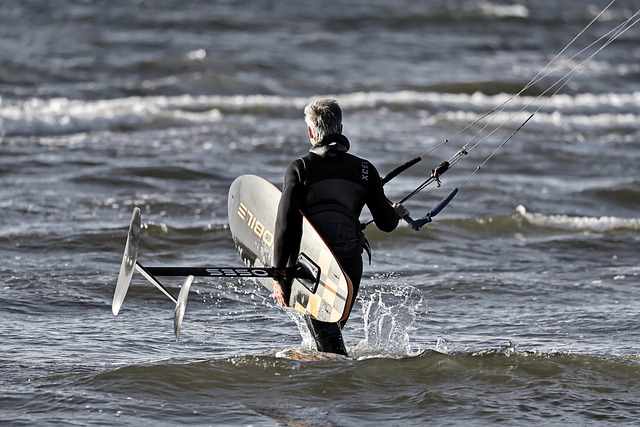
A hydrofoil surfboard, often called a foil board, is a unique type of surfboard with a specially designed fin-like structure underneath it. This fin, called a hydrofoil, consists of a wing-like shape that extends downward into the water. As the rider gains speed, the foil lifts the board above the surface, reducing drag and creating an incredibly smooth ride, even in choppy conditions.
The technology behind hydrofoil surfboards is not new—it has been used in boats for over a century—but applying it to surfboards has revolutionized water sports by offering an entirely new experience.
How Does a Hydrofoil Work?
Hydrofoils operate on the same principle as airplane wings. When water flows over the curved surface of the foil, it moves faster over the top than underneath. This difference in water speed creates a pressure imbalance, generating lift. As a result, the board rises above the water, reducing surface friction and allowing for greater speed and efficiency.
The key components of a hydrofoil include:
- Mast: A vertical shaft that connects the foil to the surfboard.
- Front Wing: The primary lift-generating component, similar in function to an airplane wing.
- Rear Stabilizer: A smaller wing that provides stability and helps control pitch.
- Fuselage: The central piece that holds the front and rear wings together.
When a rider shifts their weight forward or backward, they control the angle of attack of the foil, allowing them to regulate their height above the water.
The Advantages of Hydrofoil Surfboards
One of the main reasons hydrofoil surfboards are gaining traction is their ability to provide a smoother and more efficient ride. Unlike traditional surfboards, which require significant wave energy to maintain speed, hydrofoil boards can glide effortlessly, even on smaller, less powerful waves. Here are some of the biggest advantages:
1. Efficiency in Low Waves
Unlike traditional surfboards that require strong waves, hydrofoil boards can ride even the smallest ripples. The reduced drag allows riders to maintain momentum with minimal wave power, opening up more locations and conditions for surfing.
2. Reduced Impact and Resistance
Since the board rides above the water, it avoids much of the turbulence and choppiness that conventional boards must push through. This makes hydrofoil surfing feel incredibly smooth, almost like floating on air.
3. Increased Speed and Distance
Hydrofoils create less drag than standard surfboards, allowing riders to move at faster speeds with less effort. This efficiency means surfers can cover greater distances in a single ride.
4. A Unique and Thrilling Experience
Many surfers describe hydrofoil boarding as a completely different experience from regular surfing. The sensation of gliding above the water provides a unique thrill, making it a popular choice among adventure seekers.
5. Versatility Across Water Sports
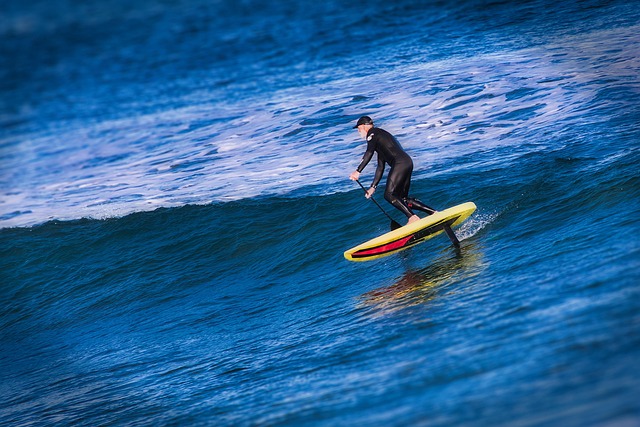
Hydrofoil technology isn’t limited to surfing. It has been integrated into other water sports such as kitesurfing, wakeboarding, and even stand-up paddleboarding (SUP), further expanding its appeal.
The Challenges of Riding a Hydrofoil Board
While hydrofoil surfboards offer many advantages, they also come with a learning curve. Here are some of the biggest challenges riders face:
1. Difficult Learning Process
Balancing on a hydrofoil board is significantly harder than on a traditional surfboard. The added height and sensitivity to weight shifts require riders to develop a new set of skills.
2. Higher Risk of Falls
Because hydrofoils ride above the water, falling off can be more dramatic, with riders sometimes tumbling from a greater height than they would on a conventional board.
3. Expensive Equipment
Hydrofoil boards are more costly than standard surfboards, with high-end models reaching thousands of dollars. This investment can be a barrier for beginners who want to try the sport.
4. Safety Concerns
The sharp wings of the hydrofoil can pose a safety risk if not handled properly. Riders must be aware of their positioning to avoid potential injuries.
The Future of Hydrofoil Surfing
Hydrofoil technology is still evolving, and we can expect continued improvements in design and accessibility. Some emerging trends include:
- Electric Hydrofoil Boards (E-Foils): These boards come with built-in electric motors, eliminating the need for waves or paddling. Riders can control speed with a handheld remote, making hydrofoil surfing even more accessible.
- Lighter and More Efficient Materials: Advancements in materials like carbon fiber and titanium are making hydrofoil boards lighter, stronger, and more efficient.
- Integration with Other Water Sports: We may see hydrofoil innovations applied to new activities, such as hydrofoil fishing boats or even personal transportation devices.
Hydrofoil surfboards represent an exciting evolution in water sports, offering riders a unique, fast, and efficient way to experience the ocean. Though they require practice and investment, their ability to glide effortlessly above the water and open up new surfing possibilities makes them an appealing choice for thrill-seekers.
Whether you’re a seasoned water sports enthusiast or someone looking to try something new, hydrofoil surfing is undoubtedly one of the most futuristic and exhilarating experiences available today. As technology continues to improve, hydrofoils will likely become more accessible, shaping the future of how we ride the waves.
Thank you for visiting our site. We hope you are finding good information while here. We would love to hear from you, so if you have any comments or questions please contact us today. We also ask that you visit our sponsor Jacksonville Parking Lot Striping.